Gardeners Wimbledon: Recycling and Sustainability
 Gardeners Wimbledon is committed to creating an eco-friendly waste disposal area and a thriving sustainable rubbish gardening area across Wimbledon and surrounding boroughs. Our approach balances practical garden waste services with ambitious environmental goals. We focus on reducing landfill, promoting reuse, and turning green waste into valuable compost for the neighbourhood. This page outlines our recycling percentage target, local transfer stations we use, charity partnerships and our investment in low-carbon vans to keep emissions low.
Our neighbourhood work recognises the borough approach to waste separation: many local councils encourage separate capture of food waste, garden waste and mixed recycling. We align Gardeners Wimbledon collections with these systems to maximise diversion rates. By coordinating with local policies we ensure that vegetation, woody material and soil are managed in the green waste stream while plastics, paper and metals take the dry recycling route.
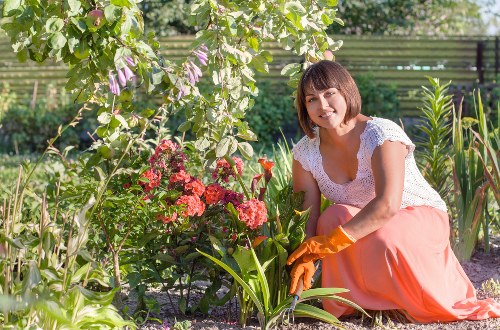 We set clear performance goals: a target recycling rate of 65% by 2030 across our garden waste and ancillary materials. This recycling percentage target is both aspirational and measurable — it covers composting, wood chipping reuse, rehoming of salvageable planters, and responsible sorting of packaging. Our internal audits track tonnes recycled, reused and sent for energy recovery to ensure continuous improvement.
Our on-the-ground operations emphasise a sustainable rubbish gardening area that residents can trust. We maintain designated collection points and temporary eco-friendly drop-off areas for bulky garden refuse and green trimmings, and staff are trained in on-site segregation. Small-scale reuse is encouraged: intact paving, bricks, and planter boxes are saved where possible for local reuse projects, and soil is screened for contaminants before reuse in community beds.
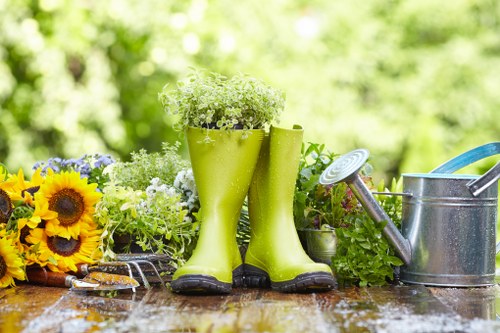
Local transfer stations and processing
We work with local transfer stations and composting facilities across the borough and nearby boroughs to ensure green waste is handled correctly. Key sites include municipal transfer stations that accept separated green waste, specialised wood recycling yards for chipping and biomass processors for larger volumes. Our logistics prioritise facilities that operate low-energy composting processes and provide certificates of processing.To improve accessibility and convenience we operate scheduled collection slots and occasional community drop-offs. Our teams also run seasonal clean-ups with clear segregation into:
- Green/organic garden waste for composting or anaerobic digestion
- Wood and branches for chipping and reuse
- Clean inert materials (stone, brick) for reuse or aggregate recycling
- Mixed recyclables from packaging redirected to borough recycling infrastructure
Partnerships and community reuse
We partner with a range of local charities, community gardens and social enterprises to maximise the life of garden items. Our charity partnerships focus on rehoming usable tools, pots and planters, and donating compost to community allotments. These collaborations give surplus materials a second life and support education initiatives about sustainable garden management.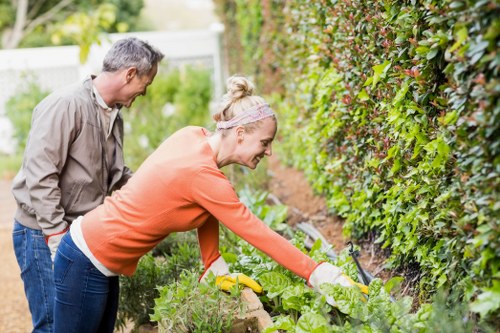 Low-carbon vehicles and route optimisation are essential parts of our sustainability plan. Gardeners Wimbledon invests in electric and hybrid vans, and we implement route-planning software to reduce mileage and idling time. By lowering fleet emissions we demonstrate that practical garden waste collection can be both efficient and low-emission. We also trial cargo e-bikes for small local runs where feasible to shrink our carbon footprint further.
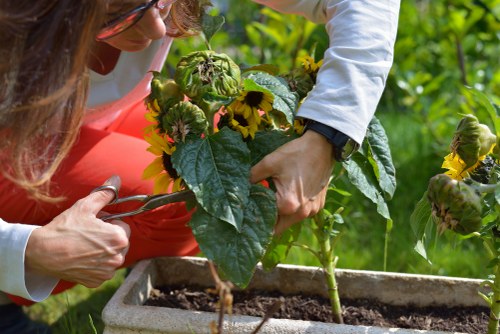 Our services build an integrated, community-focused eco garden rubbish disposal system that supports the borough’s waste separation practices. We publish annual performance summaries showing waste diverted, compost produced and the number of items reused. Education remains central: we provide simple tips for residents and small businesses on how to sort garden waste and reduce contamination in green recycling streams, such as removing plastic liners and separating soil from vegetation.
To protect local green spaces we emphasise preventive measures that reduce waste volume: mulching, on-site composting for households, and selective pruning that reduces unnecessary cuttings. Our sustainable rubbish gardening area model treats waste as a resource and supports a resilient local gardening economy where compost and chipped wood are cycled back into parks and allotments.
Finally, Gardeners Wimbledon remains committed to transparent progress and continuous improvement. We regularly review partnerships with transfer stations and charities, update our vehicle fleet for better emissions performance, and adjust our recycling percentage target as technology and local policy evolve. Together with residents and community partners we cultivate a greener future — one sustainable garden waste collection at a time.
By combining clear targets, local infrastructure, charity partnerships and a low-carbon fleet, our approach to an eco-friendly waste disposal area and a practical sustainable rubbish gardening area helps Wimbledon become cleaner, greener and more circular without compromising on service quality.

